

Event planning has evolved far beyond simple venue bookings and decoration choices. In today’s fast-moving digital world, people expect events to feel immersive, personalized, and socially engaging. Whether it is a corporate gathering, wedding celebration, brand launch, community meetup, or virtual conference, successful events now combine creativity, technology, storytelling, and audience interaction. This shift has made event planning more dynamic and exciting than ever before.
The concept behind Your Topics | Multiple Stories reflects the growing trend of designing events that speak to different audiences while maintaining one strong central vision. Modern planners understand that every guest experiences an event differently. Some remember the atmosphere, others focus on networking opportunities, while many value entertainment and interactive moments. Creating multiple experiences within one event helps organizers connect emotionally with diverse attendees.
In recent years, sustainability, hybrid event models, AI-powered organization tools, and social media integration have become major influences in the industry. Businesses and individuals alike are looking for fresh event planning strategies that blend creativity with efficiency. This article explores innovative approaches, practical tips, and modern trends inspired by Your Topics | Multiple Stories to help create memorable and impactful events.
The Growing Importance of Creative Event Planning
Event planning is no longer limited to arranging schedules and managing vendors. It has become an experience-driven industry where storytelling and emotional engagement play a major role. Guests now expect carefully designed experiences that feel unique and shareable. Social media platforms have amplified this expectation because attendees often judge an event by its visual appeal and interactive value.
The rise of personalized experiences has also changed audience expectations. Event organizers are increasingly using customized invitations, interactive activities, and themed experiences to make guests feel personally connected. Within the framework of Your Topics | Multiple Stories, planners can develop layered event concepts where different activities cater to different interests while still supporting the overall theme.
Corporate events, for example, now focus heavily on engagement rather than long presentations. Interactive workshops, live demonstrations, networking lounges, and digital participation tools are commonly integrated into conferences. Social events such as weddings and birthdays have also embraced storytelling concepts, where decorations, music, and guest experiences follow a meaningful narrative.
Understanding Modern Event Trends
Hybrid and Virtual Experiences
One of the biggest changes in the event industry is the rise of hybrid events. Organizers now combine physical gatherings with virtual participation to reach wider audiences. This model became extremely popular in recent years and continues to grow because it offers flexibility and accessibility.
Hybrid events allow attendees from different locations to participate without travel limitations. Businesses particularly benefit from this approach because it increases audience reach while reducing costs. Under the philosophy of Your Topics | Multiple Stories, hybrid events can create multiple engagement layers for both in-person and online participants.
Virtual networking rooms, live polls, digital Q&A sessions, and interactive streaming platforms help maintain engagement. Organizers also use event apps that provide schedules, speaker details, and real-time updates for smoother coordination.
Sustainability in Event Planning
Sustainability has become a major priority in modern event planning. Guests increasingly appreciate environmentally responsible practices, and many brands now align events with eco-conscious values. Sustainable planning includes reducing waste, choosing reusable decorations, minimizing paper usage, and selecting local vendors.
Eco-friendly event strategies can include:
- Digital invitations instead of printed cards
- Reusable décor and sustainable materials
- Locally sourced catering services
- Energy-efficient lighting systems
These practices not only reduce environmental impact but also create a positive brand image. Many attendees now prefer supporting organizations that demonstrate social responsibility.
Building a Strong Event Theme
A strong theme creates consistency and emotional connection throughout an event. Themes guide decoration choices, entertainment, dress codes, food presentation, and audience engagement activities. The idea behind Your Topics | Multiple Stories works especially well because it encourages layered storytelling within a single event environment.
For example, a travel-themed corporate event can feature different sections representing various countries or cultures. Each area can offer unique food, music, and activities while contributing to the overall event identity. Similarly, weddings often use storytelling themes based on the couple’s journey, hobbies, or shared memories.
The most effective themes balance creativity with practicality. Overly complicated themes can confuse attendees or increase costs unnecessarily. Successful planners focus on themes that are visually appealing, emotionally meaningful, and easy to execute.
Essential Elements of Successful Event Planning
The following table highlights important aspects of modern event planning and their impact on audience experience.
| Event Element | Purpose | Modern Trend |
|---|---|---|
| Venue Design | Creates atmosphere and comfort | Flexible and immersive layouts |
| Technology Integration | Improves engagement and organization | AI tools and event apps |
| Entertainment | Keeps attendees interested | Interactive performances |
| Catering | Enhances guest satisfaction | Customized menus |
| Social Media Strategy | Expands event visibility | Live content sharing |
| Sustainability | Builds positive reputation | Eco-friendly practices |
Every successful event combines these elements carefully. Event planners who follow the approach of Your Topics | Multiple Stories often focus on blending these components into one cohesive experience.
Technology and Innovation in Events
Technology has transformed the way events are planned and experienced. AI-driven tools now help organizers manage schedules, track attendance, automate communication, and analyze audience engagement. These tools save time and improve efficiency.
Event apps have become particularly useful because they centralize information in one accessible platform. Guests can receive notifications, view maps, participate in polls, and connect with other attendees. Interactive technology also increases engagement during conferences and exhibitions.
Another growing trend is the use of augmented reality and virtual reality experiences. Brands use these technologies to create immersive product demonstrations or interactive storytelling experiences. Within Your Topics | Multiple Stories, technology can help present multiple narratives simultaneously through digital displays, interactive installations, and personalized content.
Social media integration is equally important. Live streaming, event hashtags, and instant photo-sharing opportunities encourage attendees to promote the event organically online. This creates stronger digital visibility and extends audience reach beyond the physical venue.
Choosing the Right Venue
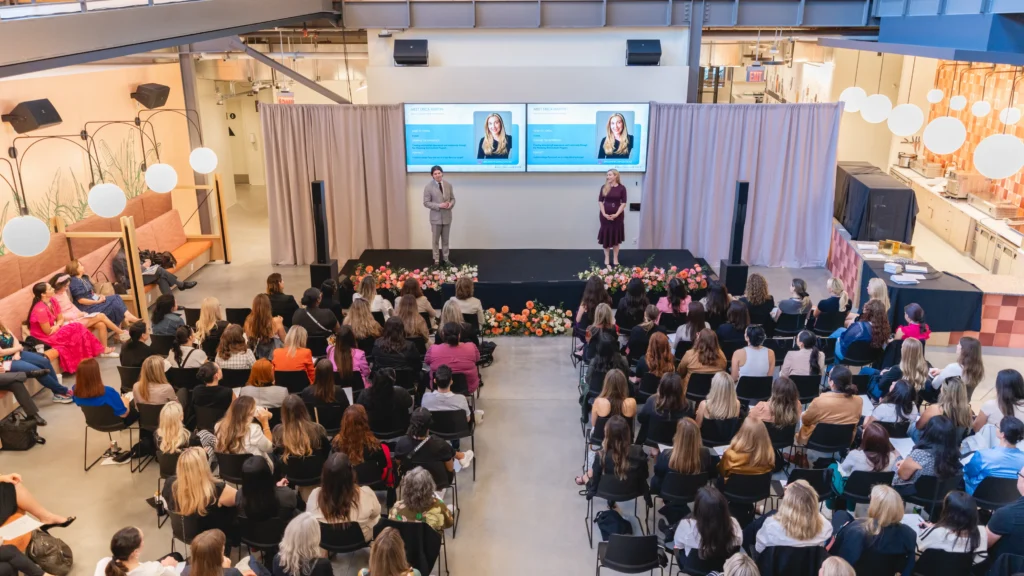
Selecting the right venue significantly impacts the success of an event. A venue should align with the event’s purpose, audience size, budget, and theme. Modern planners prioritize flexible spaces that can adapt to multiple activities and layouts.
Accessibility is another important factor. Guests appreciate convenient transportation options, parking availability, and comfortable facilities. Hybrid-ready venues with strong internet connectivity and digital presentation equipment are especially valuable today.
When applying the principles of Your Topics | Multiple Stories, venues with multiple sections or customizable areas work particularly well. Different spaces can represent different experiences while remaining connected under one event identity.
Some popular venue trends include industrial-style locations, outdoor gardens, rooftop settings, art galleries, and co-working spaces. These venues offer distinctive visual appeal and create memorable atmospheres for attendees.
Budget Planning and Financial Management
Budgeting remains one of the most challenging aspects of event planning. A well-structured budget ensures that resources are allocated efficiently while preventing unnecessary expenses. Modern planners often divide budgets into categories such as venue, catering, entertainment, technology, marketing, and contingency funds.
Cost transparency is especially important when working with vendors. Negotiating clear contracts and timelines helps avoid unexpected charges later. Many planners also prioritize flexible vendor partnerships that allow adjustments based on audience size or changing requirements.
Important budgeting priorities include:
- Setting realistic financial goals
- Tracking all expenses carefully
- Maintaining emergency contingency funds
- Comparing multiple vendor quotations
- Prioritizing high-impact experiences
A smart budget does not necessarily mean reducing quality. Instead, it focuses on maximizing attendee experience while maintaining financial balance.
Event Marketing Strategies
Marketing plays a major role in attracting attendees and generating excitement before an event begins. Digital marketing strategies now dominate the industry because they offer targeted reach and measurable results.
Social media campaigns, influencer collaborations, email promotions, and short-form video content are widely used to build anticipation. Many organizers create teaser videos, countdown posts, and behind-the-scenes content to maintain audience interest.
The storytelling approach of Your Topics | Multiple Stories is highly effective in event marketing because it allows organizers to promote multiple angles of the same event. Different audience groups can connect with different narratives, increasing overall engagement.
Personalized communication also improves attendee participation. Customized invitations, tailored recommendations, and exclusive access opportunities make guests feel valued and emotionally invested in the event.
The Role of Entertainment and Engagement
Entertainment is no longer just an additional feature at events; it has become central to audience satisfaction. Guests now expect interactive and memorable experiences rather than passive observation.
Live performances, interactive workshops, immersive installations, and gamified activities are increasingly popular. Organizers also use audience participation tools such as live voting systems, quizzes, and networking challenges to maintain engagement.
Entertainment choices should align with the event’s theme and audience preferences. Corporate events may benefit from motivational speakers and live demonstrations, while social celebrations often prioritize music, visual experiences, and interactive photo zones.
Within Your Topics | Multiple Stories, entertainment can serve multiple audience interests simultaneously by offering varied experiences across different sections of the event.
Managing Challenges During Events
Even well-planned events can face unexpected challenges. Technical issues, weather changes, delayed vendors, or scheduling conflicts can affect the attendee experience if not managed properly.
Professional event planners prepare backup strategies in advance. Having contingency plans for weather, power outages, and technical disruptions helps maintain smooth operations. Communication is also critical during emergencies. Clear coordination among staff members ensures fast problem-solving.
Flexibility has become one of the most valuable skills in modern event planning. Organizers who can adapt quickly to changing situations are more likely to deliver successful outcomes.
The approach promoted by Your Topics | Multiple Stories also helps reduce monotony during disruptions because multiple activity zones provide alternative engagement opportunities if one area faces issues.

FAQs
What makes modern event planning different from traditional planning?
Modern event planning focuses more on personalized experiences, technology integration, and audience engagement. Traditional events often centered mainly on logistics, while current trends emphasize storytelling, interaction, and digital participation.
Why is storytelling important in events?
Storytelling creates emotional connections and helps attendees remember the experience. Themes and narratives make events feel more immersive and meaningful, which improves audience satisfaction and engagement.
How does technology improve event management?
Technology simplifies communication, scheduling, ticketing, and audience interaction. Event apps, AI tools, and virtual platforms help organizers manage operations more efficiently while improving attendee experiences.
What are hybrid events?
Hybrid events combine physical and virtual participation. Some attendees join in person while others participate online through live streaming and digital interaction tools.
How can planners create eco-friendly events?
Eco-friendly events can use digital invitations, reusable decorations, local catering, and waste reduction practices. Sustainability also includes minimizing energy consumption and encouraging environmentally responsible choices.
Why is audience engagement important?
Audience engagement keeps attendees interested and emotionally connected throughout the event. Interactive experiences increase participation, improve satisfaction, and create memorable moments that people are likely to share.
Conclusion
The event planning industry continues to evolve rapidly as audience expectations become more experience-focused and technology-driven. Successful events today require creativity, strategic organization, emotional storytelling, and adaptability. Organizers who embrace innovation while understanding audience needs are more likely to create memorable experiences that leave lasting impressions.

