

Modern lifestyles are no longer limited to functionality alone. People now seek spaces, habits, and experiences that combine comfort with creativity. From personalized interiors to handcrafted décor and mindful routines, artistic living has become a growing lifestyle movement across the world. In this evolving environment, your topics | multiple stories reflects how individuals are blending creativity into everyday life while building homes and routines that express personality and emotion.
The rise of digital platforms, sustainable living, and remote work has transformed how people interact with art and design. Homes are becoming more than places to sleep or work; they are now emotional sanctuaries filled with color, texture, and stories. Whether through minimalist aesthetics, vintage collections, or handmade furniture, artistic living helps individuals create meaningful surroundings that inspire productivity and peace.
In recent years, social media and online communities have also encouraged people to experiment with design ideas. Creative expression is no longer reserved for professional artists or designers. Everyday individuals are participating in the culture of artistic living by redesigning rooms, curating collections, and developing lifestyles that prioritize individuality. Through your topics | multiple stories, readers can discover how modern creativity continues to shape homes, lifestyles, and personal identity.
The Growing Influence of Artistic Living in Modern Homes
Artistic living has become deeply connected with emotional well-being and self-expression. In many urban homes, people are shifting away from overly traditional interiors and embracing more personalized environments. Soft lighting, natural materials, textured walls, and artistic accessories are now central elements in home design. These details help create a calming atmosphere while also reflecting the owner’s unique taste.
One major reason behind this shift is the growing need for comfort in a fast-paced world. People spend more time indoors than ever before, especially after the global lifestyle changes brought by remote work culture. As a result, homes are expected to support relaxation, creativity, and productivity simultaneously. Through your topics | multiple stories, many homeowners are exploring practical ways to introduce artistic features without making spaces feel overwhelming or expensive.
Another important factor is sustainability. Modern consumers are increasingly choosing handmade items, recycled décor, and eco-friendly materials. Artistic living today is not only about beauty but also about conscious choices. Furniture made from reclaimed wood, natural fabrics, and locally crafted décor pieces are becoming popular because they combine creativity with responsibility.
How Creativity Shapes Everyday Lifestyle Choices
Artistic living is not limited to interiors alone. It also influences fashion, wellness, routines, and entertainment. Many people now approach daily life with a creative mindset, focusing on experiences that provide emotional satisfaction rather than simple convenience. Morning rituals, workspace organization, and even dining arrangements are being treated as forms of self-expression.
For example, individuals working from home often create inspiring work corners filled with books, plants, and personalized artwork. This approach improves focus while making workspaces visually comforting. Similarly, artistic dining spaces featuring handmade ceramics or vintage table settings help transform ordinary meals into memorable experiences. These trends clearly demonstrate how your topics | multiple stories connects creativity with modern lifestyle habits.
Technology has also contributed to this transformation. Online platforms provide easy access to design inspiration, DIY tutorials, and global artistic trends. As a result, people from different backgrounds can experiment with artistic living regardless of budget or professional expertise. Creativity has become more accessible than ever before.
Popular Elements of Artistic Living
- Natural textures like wood, linen, and stone
- Personalized artwork and handmade accessories
- Indoor plants and organic color palettes
- Multifunctional creative spaces for work and relaxation
- Sustainable and vintage-inspired décor pieces
These elements collectively help create homes that feel personal, balanced, and emotionally engaging.
The Role of Storytelling in Interior and Lifestyle Design
Every artistic space tells a story. The objects, colors, and layouts people choose often reflect memories, values, and aspirations. Storytelling through design has become one of the strongest trends in contemporary living. Instead of decorating homes solely for appearance, individuals are now building spaces with emotional depth and personal meaning.
A vintage chair inherited from family, travel souvenirs displayed on shelves, or handmade artwork created during special moments can all contribute to a meaningful environment. This emotional connection transforms ordinary interiors into personal narratives. In your topics | multiple stories, storytelling plays an essential role because modern audiences are drawn to authenticity and emotional experiences.
Interior designers are also responding to this demand by creating spaces that blend functionality with personality. Open shelves, gallery walls, textured fabrics, and layered lighting help tell visual stories while maintaining practicality. These concepts are especially appealing to younger generations who value individuality over standardized design trends.
Artistic Living Trends in the Current Scenario
The current design landscape reflects a balance between aesthetics and emotional wellness. People are increasingly interested in spaces that reduce stress and encourage mindfulness. As a result, modern artistic living trends focus on calmness, simplicity, and sensory comfort.
| Trend | Purpose | Current Popularity |
|---|---|---|
| Biophilic Design | Connects interiors with nature | Very High |
| Minimal Artistic Décor | Reduces clutter while maintaining creativity | High |
| Sustainable Furniture | Encourages eco-conscious living | Very High |
| Multifunctional Spaces | Supports remote work and flexibility | High |
| Handmade Accessories | Adds uniqueness and emotional value | Growing Rapidly |
These trends highlight how artistic living continues evolving according to modern needs. Through your topics | multiple stories, people can better understand how creativity adapts to changing lifestyles and social priorities.
Why Minimalism and Art Work Together
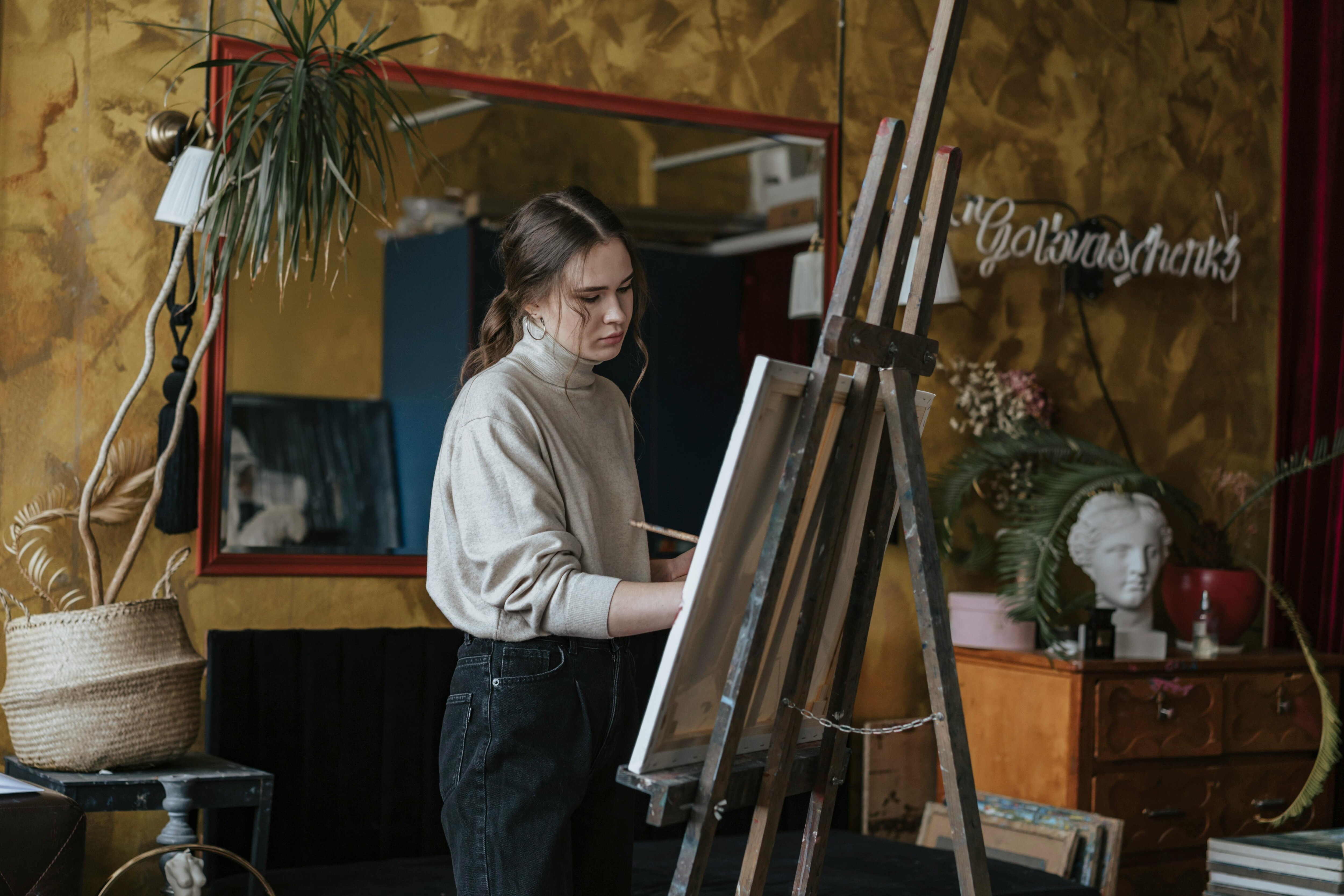
Minimalism and artistic living may seem opposite at first glance, but they actually complement each other beautifully. Minimalist spaces allow artistic elements to stand out more clearly. Instead of overcrowding interiors with unnecessary objects, modern homeowners prefer carefully selected pieces that hold visual or emotional significance.
This balance creates peaceful environments while maintaining strong aesthetic appeal. Neutral walls combined with bold artwork, simple furniture paired with handcrafted décor, or soft lighting enhanced by textured fabrics are examples of how minimalism and art can coexist successfully. In many modern homes, this combination helps reduce stress while improving visual harmony.
People are also becoming more selective about purchases. Rather than buying mass-produced items frequently, they invest in fewer but more meaningful pieces. This mindset aligns perfectly with the philosophy behind your topics | multiple stories, where creativity is valued for quality and emotional connection rather than quantity.
Benefits of Artistic Minimalism
- Creates visually calm environments
- Encourages mindful purchasing habits
- Improves focus and emotional comfort
- Makes small spaces feel larger and brighter
- Highlights meaningful artistic elements effectively
These advantages explain why artistic minimalism remains one of the strongest modern lifestyle trends today.
Social Media and the Rise of Creative Inspiration
Social media platforms have dramatically influenced artistic living trends. Visual content allows users to explore global design ideas instantly. Short videos, room transformations, and creative tutorials inspire millions of people to redesign their homes and lifestyles.
Platforms focused on aesthetics encourage experimentation with colors, textures, and layouts. Small apartments are transformed into elegant creative spaces through affordable DIY projects. Artistic living has therefore become more inclusive and adaptable for different income levels and lifestyles.
However, current trends also emphasize authenticity over perfection. Audiences are becoming more interested in realistic spaces that feel warm and personal rather than overly polished. This shift has made your topics | multiple stories even more relevant because people now appreciate genuine creativity and relatable inspiration.
The influence of content creators and digital communities has also encouraged conversations around sustainability and intentional living. As people become more environmentally conscious, artistic choices increasingly reflect ethical values alongside visual appeal.
The Emotional Impact of Artistic Spaces
Research and everyday experiences both suggest that surroundings significantly influence emotional well-being. Artistic environments can improve mood, encourage creativity, and reduce stress levels. Soft textures, balanced lighting, natural materials, and meaningful decorations contribute to feelings of comfort and emotional stability.
For many individuals, artistic living provides a sense of identity and control in uncertain times. Designing a comforting home environment becomes a form of self-care. Even small changes, such as adding artwork, plants, or personalized décor, can positively affect mental wellness.
The emotional aspect of artistic living explains why it continues gaining popularity across different generations. Through your topics | multiple stories, readers discover how creativity can support not only visual beauty but also emotional health and everyday happiness.
Artistic Living for Small Spaces
One misconception about artistic living is that it requires large homes or expensive renovations. In reality, creativity often thrives in smaller spaces because thoughtful design becomes essential. Compact apartments and studio homes can feel highly artistic when space is used intentionally.
Layered lighting, multifunctional furniture, vertical storage, and carefully selected décor help maximize both beauty and practicality. Mirrors, neutral tones, and textured accents can make small rooms appear larger while maintaining visual interest. Many modern urban residents now prefer quality and creativity over excessive space.
This practical approach aligns perfectly with the concept of your topics | multiple stories, where diverse lifestyle experiences show that artistic living is achievable in many different environments.
FAQs
What does artistic living mean in modern lifestyles?
Artistic living refers to designing daily routines and spaces with creativity, personality, and emotional comfort in mind. It combines aesthetics with functionality while encouraging self-expression through interiors, décor, fashion, and lifestyle habits.
Why is artistic living becoming more popular today?
People now prioritize emotional wellness, comfort, and individuality more than before. Remote work culture, digital inspiration, and sustainable living trends have all contributed to the growing popularity of artistic lifestyles.
Can artistic living work in small homes?
Yes, artistic living can be highly effective in small spaces. Thoughtful furniture placement, lighting, color combinations, and personalized décor help create creative environments even in compact apartments.
How does sustainability connect with artistic living?
Modern artistic living often includes eco-friendly choices such as recycled materials, handmade décor, and sustainable furniture. These choices combine creativity with environmental responsibility.
Is artistic living expensive to achieve?
Not necessarily. Many people create artistic environments using affordable DIY ideas, second-hand furniture, handmade accessories, and simple design improvements that focus on creativity rather than luxury.
How does social media influence artistic living trends?
Social media platforms provide inspiration, tutorials, and creative ideas from around the world. They encourage individuals to experiment with interiors and lifestyle design while sharing authentic personal experiences.
Conclusion
Artistic living has evolved into more than just a design trend. It represents a modern lifestyle focused on creativity, emotional wellness, and meaningful self-expression. From sustainable interiors and mindful routines to personalized décor and authentic storytelling, artistic living continues reshaping how people experience their homes and daily lives.

